
Running a successful commercial kitchen requires meticulous organization, and the foundation of an efficient workspace is proper inventory management.
Selecting the right equipment for holding ingredients is not merely about convenience; it is a critical component of food safety, cost control, and workflow optimization.
Using the correct food storage containers can significantly reduce waste, prevent cross-contamination, and ensure that your ingredients remain fresh for as long as possible.
When sourcing these items for your business, you must weigh several technical and operational factors to ensure your investment supports your culinary operations effectively and adheres to high industry standards.
Material Durability and Safety Standards
The most critical decision you will make involves choosing the right material for your environment. Polycarbonate, polyethylene, and stainless steel are the most common options, each offering distinct advantages.
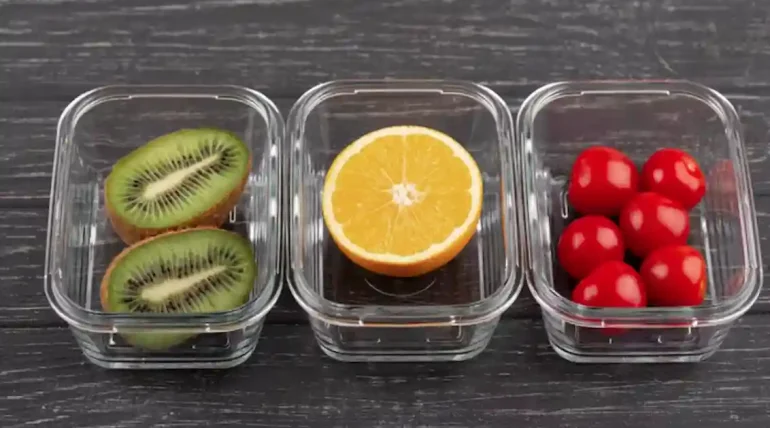
Polycarbonate is clear and shatter-resistant, making it excellent for high-volume environments where visibility of contents is necessary.
Conversely, polyethylene is more flexible and resistant to cracking under cold temperatures, making it ideal for freezer use.
Regardless of the material, you must ensure that all food storage containers are certified as food-grade and BPA-free to comply with health regulations and ensure the safety of your customers.
Sealing Capability and Freshness Retention
The primary purpose of any storage solution is to prevent spoilage. Containers that offer an airtight seal are essential for keeping dry ingredients away from moisture and protecting perishable items from oxidation.
Look for lids that provide a secure, leak-proof fit to prevent accidental spills and the entry of contaminants. In a busy kitchen, the ability to quickly and securely seal a container is vital.
High-quality sealing mechanisms ensure that your products retain their flavor, texture, and nutritional value, which directly impacts the quality of the final dishes you serve to your patrons.
Space Efficiency and Stackability
Commercial kitchens are often limited by floor and shelf space. The design of your storage vessels should prioritize vertical space utilization. Look for containers that are specifically designed for stackability, which allows you to maximize your walk-in cooler and pantry capacity.
Square or rectangular designs are generally more space-efficient than round containers, as they fit more neatly against shelves and corners.
By selecting a modular system of food storage containers, you can create a highly organized inventory system that allows your staff to locate ingredients quickly, reducing the time spent searching through cluttered shelves.
Ease of Cleaning and Sanitization
Sanitation is non-negotiable in the food service industry. Your containers should be designed with smooth surfaces and minimal crevices where bacteria, mold, or food particles can accumulate.
Additionally, ensure that your chosen materials are dishwasher safe and can withstand high-temperature sanitization cycles without warping or degrading.
A container that is difficult to clean will eventually become a liability. Investing in designs that are easy to scrub and sterilize ensures that your operation remains compliant with health codes and maintains the highest standards of hygiene for your staff and customers.
Clear Labeling and Inventory Management
Effective inventory control requires that your staff can identify contents and expiration dates at a glance. Many professional units feature molded-in graduation marks that help with volume measurement, while others have designated areas for date labels or dry-erase markers.
Using clear, consistent labeling practices prevents the use of expired ingredients and helps with rotation systems like First-In, First-Out.
Choosing food storage containers that integrate seamlessly with your labeling workflow minimizes errors and keeps your kitchen running smoothly, even during the most demanding shifts.