

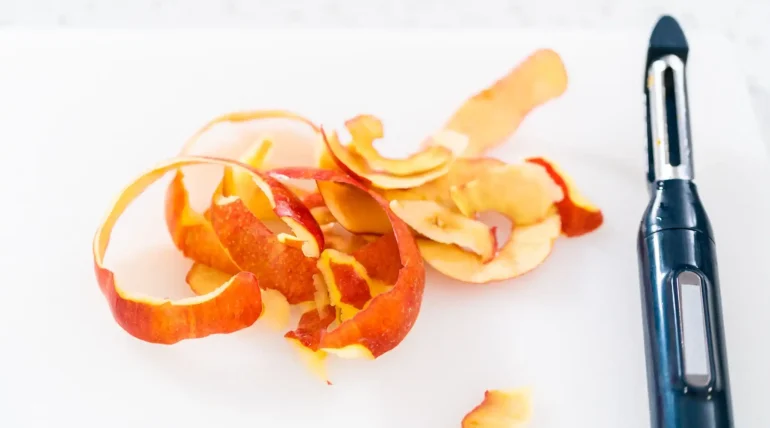
Peeling fruits and vegetables can sometimes feel like a chore. Yet, it’s an essential part of cooking that can make or break a dish. Knowing a few kitchen hacks can transform this mundane task into a breeze. In this article, we’ll explore effective techniques and tools that will help you peel like a pro.
Essential Tools for Peeling
Having the right tools in your kitchen can make peeling much easier. A good peeler is your best friend. There are various types available, each designed for specific tasks.
Types of Peelers
A Y-peeler is perfect for long, even strips, while a straight peeler is great for precision. Investing in a high-quality peeler can save you time and frustration.
Other Useful Gadgets
Besides peelers, consider having a vegetable brush and a paring knife on hand. A brush helps clean the skin, especially for root vegetables. This way, you can often skip peeling altogether. A paring knife is versatile and can help with more intricate peeling tasks. With these tools in your kitchen, you’ll be ready to tackle any fruit or vegetable.
Clever Kitchen Hacks for Peeling Fruits
When it comes to fruits, there are some clever hacks that can simplify the peeling process.
Peeling Apples with Ease
For apples, one effective method is to use a corer. By removing the core first, you can peel the apple in one continuous strip, making it quicker and more efficient. If you prefer a traditional approach, try submerging apples in boiling water for about 30 seconds. This softens the skin, allowing you to peel it effortlessly.
Bananas: The Simple Way
Bananas are another fruit that can be tricky to peel. Most people peel them from the stem, but did you know that peeling them from the bottom is often easier? Just pinch the bottom and the skin will separate with less effort. This technique also minimizes the chance of squishing the fruit.
Peeling Oranges and Citrus Fruits
Peeling citrus fruits like oranges can be messy, but there’s a simple way to make it easier. Start by cutting off the top and bottom of the fruit. Then, score the skin vertically from top to bottom. This way, you can easily peel the skin away without tearing the fruit inside. This method leaves you with perfectly segmented pieces, ready to eat or use in recipes.
Practical Hacks for Peeling Vegetables
Vegetables often require more effort when peeling, but there are practical hacks that can help.
Carrots and Potatoes
For carrots and potatoes, consider using a spoon for peeling. This method is especially useful for getting into nooks and crannies, ensuring that you remove all the skin without wasting any of the vegetable. It may take a bit of practice, but it can be very effective.
Peeling Tomatoes
Tomatoes are notoriously difficult to peel due to their thin skin. A great trick is to blanch them first. Simply place the tomatoes in boiling water for about 30 seconds, then transfer them to ice water. The skin will slip off easily, saving you from a frustrating peeling experience.
How to Peel Garlic Efficiently
Garlic can be a hassle to peel as well. One popular hack involves placing the garlic cloves in a jar and shaking it vigorously. The skins will separate from the cloves, making it quick and easy to prepare garlic for your dish. This method not only saves time but also keeps your hands from smelling like garlic for hours.
Time-Saving Peeling Techniques
In a busy kitchen, time is of the essence. One effective time-saving technique is batch peeling.
Batch Peeling
Instead of peeling fruits and vegetables as you go, set aside some time to peel larger quantities at once. This is especially useful for meal prep. You can store peeled produce in the refrigerator for several days, making it easy to grab when cooking.
Using Heat for Peeling
Using heat is another smart method for peeling. For example, if you have a large batch of potatoes, consider microwaving them for a minute or two before peeling. The skin will loosen, allowing you to peel them quickly. This technique works well for other vegetables too, making it a versatile option in your kitchen toolkit.
Creative Alternatives to Peeling
Sometimes, peeling isn’t even necessary. Many fruits and vegetables have skins that are not only edible but also nutritious.
Eating the Skin
For instance, the skin of a potato contains a significant amount of fiber and nutrients. Rather than peeling, try scrubbing the surface clean and cooking them with the skin on. This adds flavor and texture to your dishes.
Skin-On Recipes
Incorporating skin-on recipes can also simplify your cooking process. Dishes like roasted vegetable medleys or smoothies can benefit from using unpeeled fruits and vegetables. Not only does this save time, but it also enhances the nutritional value of your meals. Embracing the skin can lead to new flavors and textures in your cooking.
Conclusion
Peeling fruits and vegetables doesn’t have to be a tedious task. With the right tools and techniques, you can make this process quick and efficient. From using clever hacks for specific fruits to embracing skin-on recipes, there are many ways to enhance your cooking experience. Try out these kitchen hacks and enjoy the time you save in the kitchen. Happy peeling!
What is the best type of peeler for various fruits and vegetables?
-
Understanding the different types of peelers (Y-peeler, straight peeler, etc.) and their ideal uses can help you choose the best one for your needs.
How can I peel tomatoes without making a mess?
-
Blanching tomatoes in boiling water before peeling them can make the skin slip off easily, reducing mess and frustration.
Are there any fruits or vegetables that don’t need to be peeled?
-
Many fruits and vegetables, such as potatoes and apples, can be eaten with their skins on, providing added nutrients and saving time.
What are some quick methods for peeling garlic?
-
Techniques like shaking garlic cloves in a jar or using the flat side of a knife can help you peel garlic quickly and efficiently.
Can I prepare peeled fruits and vegetables in advance?
-
Yes, peeling fruits and vegetables in bulk and storing them in the refrigerator can save time during meal prep and make cooking easier throughout the week.