

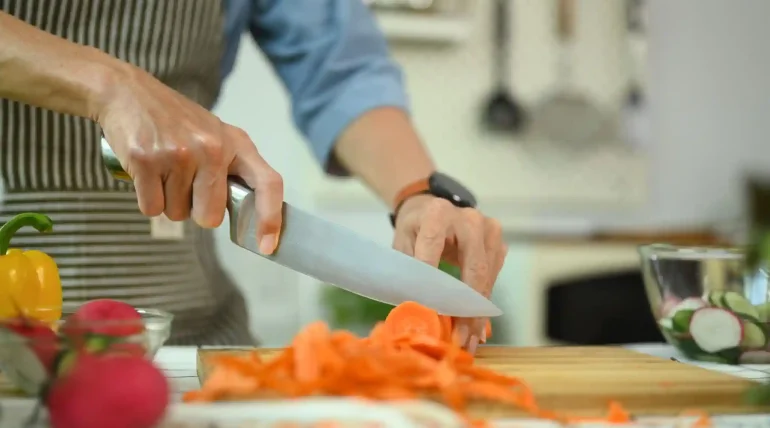
Cooking can be a delightful experience, filled with the aromas of spices and the joy of creating something delicious. However, the kitchen is also a place where accidents can happen if safety is not prioritized. From minor burns to serious cuts, kitchen accidents can turn a pleasant cooking session into a nightmare. In this guide, we’ll explore essential cooking tips to prevent common kitchen mishaps, ensuring that your culinary adventures remain safe and enjoyable.
Understanding the Importance of Kitchen Safety
Before diving into the tips, let’s explore why kitchen safety is crucial. According to the National Safety Council, hundreds of thousands of injuries occur in the kitchen each year. These range from minor injuries, like cuts and burns, to severe incidents requiring medical attention. By being aware of potential hazards and implementing safety measures, you can significantly reduce the risk of accidents and create a safer cooking environment.
Real-Life Consequences of Neglecting Safety
Consider Sarah, an enthusiastic home cook who loves experimenting with new recipes. One day, while trying to slice vegetables quickly, she accidentally cut her finger. This seemingly minor incident not only caused pain but also interrupted her cooking and required a trip to the doctor. This example illustrates how neglecting kitchen safety can have real consequences, even for experienced cooks.
Basic Cooking Tips for a Safer Kitchen
1. Keep Your Workspace Organized
An organized kitchen is a safe kitchen. Clutter can lead to accidents, as it’s easy to trip over items or misplace tools. Before you start cooking, take a moment to clear your workspace. Ensure that counter surfaces are free from unnecessary items, and keep tools and ingredients within reach.
A well-organized kitchen allows you to focus on your cooking rather than dodging obstacles. It also makes it easier to find what you need, reducing the likelihood of accidents.
2. Use the Right Tools for the Job
Having the right tools can make all the difference in the kitchen. Using improper tools not only hampers your cooking but can also lead to accidents. For instance, using a dull knife increases the risk of slips and cuts. A sharp knife requires less force, making it safer and more efficient for cutting.
Invest in quality kitchen equipment, such as cutting boards, knives, and pots. Ensure that each tool is appropriate for the task at hand, and do not hesitate to replace worn-out items.
3. Practice Proper Knife Safety
Knives are essential in the kitchen, but they can also be dangerous if not handled correctly. Always cut away from your body and use a stable cutting board. When passing a knife to someone else, lay it down on the counter instead of handing it directly. This simple practice can prevent accidental cuts.
Furthermore, consider taking a knife skills class. Learning proper techniques not only enhances your cooking skills but also reduces the risk of injuries.
4. Be Mindful of Heat Sources
Burns are one of the most common kitchen injuries. When cooking, always be aware of heat sources, such as stovetops and ovens. Use pot holders or oven mitts to handle hot cookware, and never leave cooking food unattended.
It’s also essential to keep flammable items, like dish towels and paper, away from the stove. A moment of inattention can lead to a kitchen fire. To ensure safety, consider investing in a fire extinguisher and familiarize yourself with its use.
5. Handle Hot Oil with Care
Frying can be a delightful way to prepare food, but it also poses risks. Hot oil can splatter and cause severe burns. To prevent accidents, avoid overcrowding the pan, as this can cause oil to bubble over.
Always use a deep-frying thermometer to monitor oil temperature. If the oil starts to smoke, it’s too hot and should be removed from the heat immediately. For added safety, consider using a splatter guard to minimize oil splatters.
6. Use Caution with Electrical Appliances
Kitchen appliances, such as blenders and food processors, can make cooking easier but also come with risks. Ensure that your hands are dry when using electrical appliances to prevent shocks. Always unplug appliances when not in use, and avoid using them near water.
Moreover, be cautious with cords. Keep them away from hot surfaces and ensure they are not frayed. A little attention to these details can prevent accidents and keep your kitchen safe.
7. Store Ingredients Properly
Proper ingredient storage is crucial for safety and hygiene. Always check expiration dates on food items and discard anything that seems spoiled. Raw meats should be stored separately to avoid cross-contamination with other foods.
Additionally, ensure that all ingredients are labeled and stored in appropriate containers. This not only helps in identifying items quickly but also prevents accidents caused by expired or spoiled food.
8. Clean As You Go
A clean kitchen is a safe kitchen. Cleaning as you cook helps prevent clutter, which can lead to accidents. Wipe up spills immediately to avoid slips and falls.
Furthermore, make it a habit to wash knives and cutting boards promptly after use. This prevents cross-contamination and keeps your workspace organized. Not only does cleaning as you go promote safety, but it also makes the cooking process more enjoyable.
9. Educate Your Family
If you cook with family members or have children in the kitchen, teaching them about kitchen safety is essential. Involve them in discussions about proper tool use, heat sources, and hygiene practices.
For children, consider assigning age-appropriate kitchen tasks. Teaching them how to handle basic tools safely can instill good habits and make cooking a shared, enjoyable experience. Encourage open communication about safety concerns to create a culture of awareness in the kitchen.
Expert Insights on Kitchen Safety
To further emphasize the importance of kitchen safety, we reached out to Chef Laura Thompson, a seasoned culinary expert with over 15 years of experience in the industry. According to Chef Thompson, “One of the most critical aspects of cooking is to remain aware of your surroundings. A safe kitchen environment not only protects you but also enhances the cooking experience.”
Chef Thompson also highlighted the significance of teaching children about kitchen safety: “Instilling good habits from a young age can create a lifelong understanding of kitchen safety. Children who learn to cook safely are more likely to carry those habits into adulthood.”
Research-Backed Data on Kitchen Accidents
Statistics from the National Safety Council reveal that over 400,000 kitchen-related injuries occur annually in the United States. These injuries range from minor burns to severe cuts and slips. The majority of these accidents are preventable with proper safety measures in place. This data underscores the necessity of adopting kitchen safety tips to protect yourself and others while cooking.
The Importance of Promoting Kitchen Safety
Promoting kitchen safety is not only about preventing injuries; it’s also about creating a positive cooking environment. A safe kitchen allows for creativity and enjoyment in cooking, free from the stress of accidents. By implementing these basic cooking tips, you can foster a culture of safety and responsibility in your kitchen.
Conclusion
Cooking should be a joyful and fulfilling experience, but safety must always come first. By following these basic cooking tips, you can prevent common kitchen accidents and create a safer environment for yourself and your loved ones. Remember, an organized workspace, proper tool usage, and awareness of heat sources are critical components of kitchen safety.
As you develop your culinary skills, prioritize safety and encourage others to do the same. With these practices in place, you can enjoy the art of cooking without the worry of accidents. Let your kitchen be a place of creativity, laughter, and delicious meals, all while keeping safety at the forefront.