

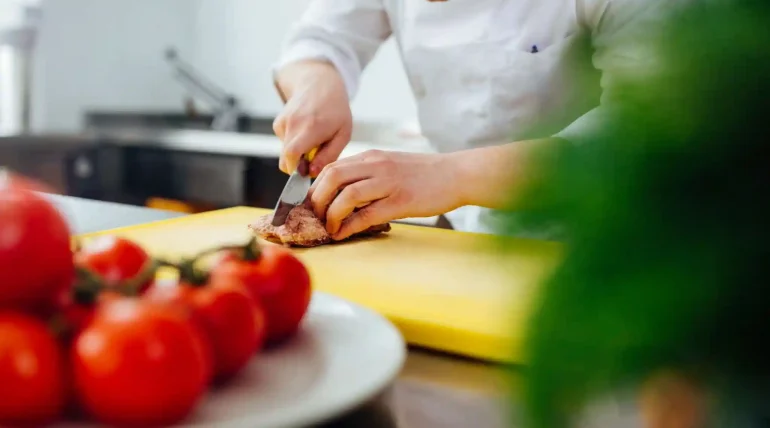
Cooking can be an immensely rewarding experience, whether you’re trying to impress your friends with a gourmet meal or simply looking to whip up a quick dinner for yourself. However, if you’re just starting your culinary journey, it can also feel overwhelming. Fear not! This guide is packed with essential basic cooking tips to help aspiring home chefs navigate their way through the kitchen with confidence. From mastering fundamental techniques to understanding kitchen tools, these tips will set you on the path to culinary success.
Understanding the Basics of Cooking
Why Basic Cooking Skills Matter
Before diving into specific tips and techniques, it’s essential to understand why basic cooking skills are vital. Cooking is not merely about following recipes; it’s about understanding ingredients, techniques, and flavor profiles. When you grasp the basics, you gain the confidence to experiment and innovate in the kitchen. As celebrated chef Julia Child once said, “You don’t have to cook fancy or complicated masterpieces—just good food from fresh ingredients.”
Having a solid foundation in cooking enables you to prepare meals that are not only delicious but also nutritious. It encourages creativity and flexibility, which are key components of successful home cooking.
The Essential Kitchen Setup
An organized kitchen can make a world of difference in your cooking experience. Start by ensuring you have the following essential tools:
-
Cutting Board: A sturdy, easy-to-clean cutting board is your best friend. Consider having separate boards for meats and vegetables to avoid cross-contamination.
-
Chef’s Knife: Invest in a quality chef’s knife for versatility in chopping, slicing, and dicing. A good knife will make your prep work much more manageable.
-
Measuring Cups and Spoons: Accurate measurements are crucial, especially in baking. Use dry measuring cups for solids and liquid measuring cups for liquids.
-
Pots and Pans: A variety of pots and pans will allow you to prepare different types of meals. Non-stick skillets, saucepans, and stockpots are great starting points.
-
Mixing Bowls: These are essential for combining ingredients. Opt for a set of various sizes to accommodate different recipes.
Having the right tools not only enhances your efficiency in the kitchen but also makes the cooking process more enjoyable. As you progress, you can expand your collection based on your cooking style and preferences.
Fundamental Cooking Techniques
Mastering Knife Skills
One of the first skills every aspiring chef should learn is proper knife skills. Good knife techniques not only make cooking easier but also improve safety. Here are a few essential knife skills to focus on:
-
Chopping: Hold the knife with a firm grip and use a rocking motion to chop vegetables evenly. Practice with onions, carrots, and bell peppers to build your confidence.
-
Slicing: When slicing meat or bread, use a gentle sawing motion. For meats, let the knife do the work without applying too much pressure to maintain tenderness.
-
Dicing: Dicing requires uniformity. Start by slicing the ingredient into strips, then rotate and cut across to create small cubes.
Practice these knife skills regularly, and soon you’ll find that they become second nature. Not only will this speed up your cooking process, but it will also make your dishes more visually appealing.
Cooking Techniques You Should Know
Understanding various cooking techniques is crucial for any aspiring chef. Here are some fundamental methods to master:
-
Sautéing: This technique involves cooking food quickly in a small amount of oil over high heat. It’s perfect for vegetables, meats, and seafood. Ensure your pan is hot before adding the ingredients to achieve a nice sear.
-
Boiling: Boiling is used primarily for pasta, grains, and vegetables. Remember to season your water with salt; it enhances the flavor of the food being cooked.
-
Roasting: Roasting is a dry heat method that involves cooking food in an oven. This method is excellent for meats and vegetables, allowing them to caramelize and develop rich flavors.
-
Baking: Baking is used for bread, pastries, and casseroles. It’s essential to follow recipes closely, as baking is a science that requires precise measurements.
By practicing these techniques, you’ll gain a deeper understanding of how to manipulate flavors and textures, leading to more successful dishes.
Flavor Building Essentials
Understanding Seasoning and Spices
Seasoning is the key to transforming a dish from bland to flavorful. Learning how to use herbs, spices, and seasonings effectively is a crucial skill for any home chef. Here are some basic guidelines:
-
Salt: Salt enhances the natural flavors of ingredients. Use it in moderation, and remember that you can always add more, but you can’t take it away once it’s in.
-
Pepper: Freshly cracked black pepper adds depth to dishes. Consider grinding your own for maximum flavor.
-
Herbs: Fresh herbs like parsley, cilantro, and basil can elevate a dish significantly. Use them at the end of cooking to preserve their vibrant flavors.
-
Spices: Experiment with spices like cumin, paprika, and cinnamon. Toasting spices in a dry pan before adding them to your dishes can enhance their flavor.
Understanding how to balance these elements is crucial in creating delicious meals. Remember, cooking is about experimenting—don’t be afraid to try new combinations to discover what you love.
Combining Flavors
The magic of cooking often lies in the ability to combine flavors. Think about pairing sweet, salty, sour, and bitter elements to create well-rounded dishes. For example, adding a splash of lemon juice to roasted vegetables can brighten their flavors, while a drizzle of honey can enhance the sweetness of a salad.
Real-life examples abound in culinary history. Consider the classic pairing of tomatoes and basil, or the combination of chocolate and sea salt. These pairings have stood the test of time because they create harmonious flavor profiles. As you cook, pay attention to how different ingredients work together, and let your palate guide you.
Kitchen Safety and Hygiene
Practicing Food Safety
Food safety is paramount in any kitchen. Understanding how to handle food properly can prevent foodborne illnesses and ensure that your meals are safe to eat. Here are some essential practices:
-
Wash Your Hands: Always wash your hands with soap and water before handling food and after touching raw meat.
-
Separate Raw and Cooked Foods: Use different cutting boards for raw meats and vegetables to avoid cross-contamination.
-
Store Food Properly: Refrigerate leftovers within two hours of cooking, and ensure your refrigerator is set to 40°F (4°C) or below.
By adhering to these food safety guidelines, you can create a healthy cooking environment that minimizes risks.
Real-Life Examples and Expert Insights
Learning from Culinary Experts
As you embark on your cooking journey, consider seeking inspiration from culinary experts. Many chefs have shared insights that can guide aspiring home cooks. For instance, chef Gordon Ramsay emphasizes the importance of mastering basic techniques before attempting complex recipes. He believes that understanding the fundamentals allows cooks to innovate and adapt recipes to their taste.
Additionally, food blogger and cookbook author Deb Perelman recommends starting with simple recipes that use readily available ingredients. “Cooking should not be a chore; it should be an adventure,” she says. By beginning with approachable dishes, you can build confidence and gradually tackle more challenging recipes.
The Value of Community
Engaging with a community of fellow aspiring chefs can also enhance your cooking skills. Whether through local cooking classes, online forums, or social media groups, sharing experiences and learning from others can provide valuable insights and motivation. Participating in cooking challenges or recipe swaps can inspire creativity and introduce you to new techniques.
Conclusion
Becoming a proficient home chef is a journey that begins with mastering essential basic cooking tips. Understanding the basics of cooking, honing your knife skills, and learning how to build flavors are all crucial steps in this process. With the right mindset and a willingness to learn, you can transform your cooking experience from daunting to delightful.
As you continue to explore the culinary world, remember that practice makes perfect. Don’t be discouraged by mistakes; they are often the best teachers. Embrace the joy of cooking, experiment with flavors, and, most importantly, have fun in the kitchen. With time and dedication, you’ll find yourself creating delicious meals that you can share with family and friends.